









Deciding on the Perfect Tokyo Cooking Class
When planning a trip to Tokyo, immersing yourself in the culinary culture through a cooking class can be an unforgettable experience. With a variety of classes available, choosing the right one can significantly enhance your visit. Whether you’re a novice cook or an experienced foodie, these classes offer more than just a meal — they provide an insight into the heart of Japanese culture. From learning the art of sushi rolling to understanding the umami concept, Tokyo cooking classes are as diverse as the city itself. Deciding which class to book can depend on your interests, schedule, and budget.
How to Choose the Right Cooking Class
With so many cooking classes in Tokyo, making a choice can be overwhelming. Here’s how you can narrow down your options and find the perfect fit for your culinary adventure.
Focus on Your Culinary Interests
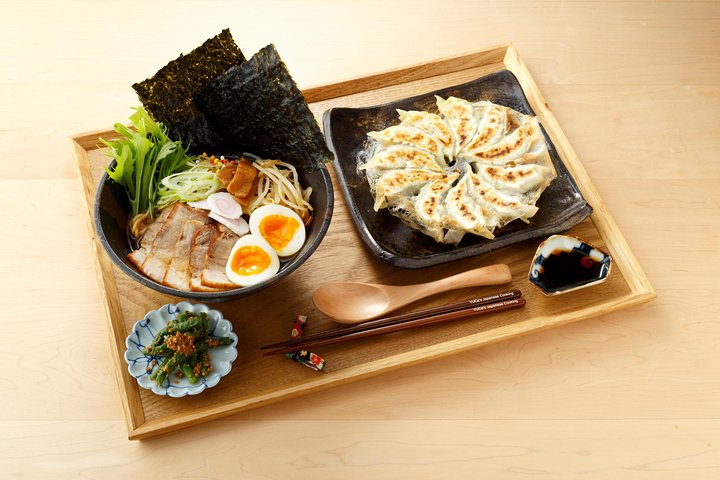
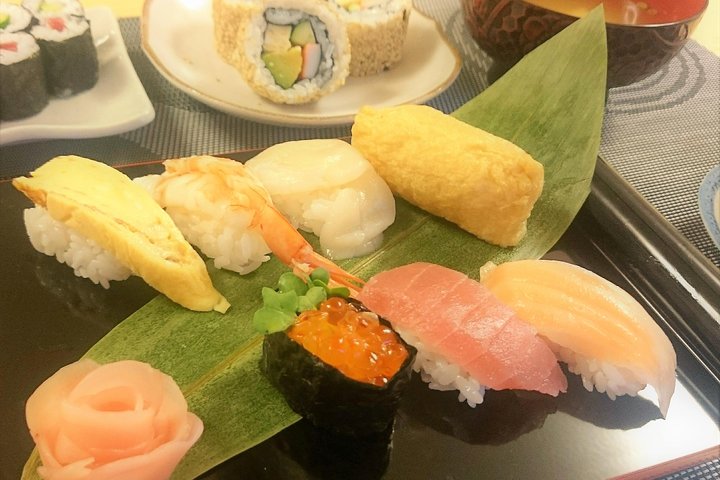
If you have a specific interest, such as sushi or ramen, look for classes that specialize in these dishes. Sushi classes often cover the delicate art of selecting and preparing fresh fish, while ramen courses may delve into making noodles from scratch and crafting a rich broth. For those interested in sweets, wagashi classes will introduce you to the beautiful world of traditional Japanese confectionery.
Consider the Class Format
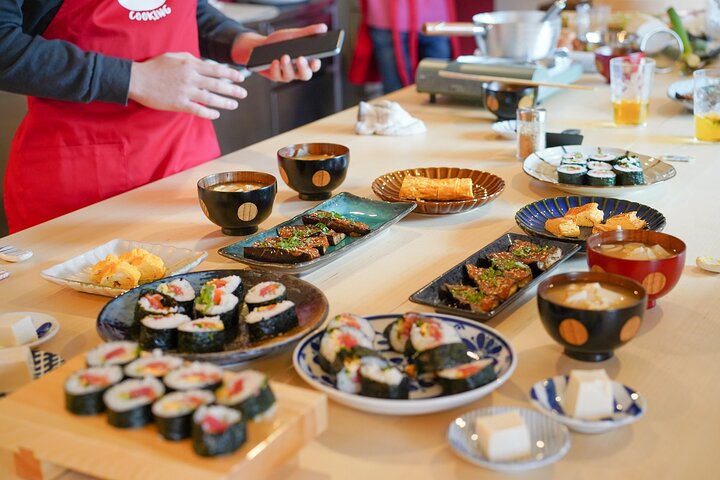
Classes range from intimate home kitchen settings to professional culinary schools. Smaller classes offer personalized attention and a more homely experience, often held in a local’s kitchen. Larger classes may provide a more structured environment with a set curriculum. Decide whether you prefer a hands-on approach or a more observational experience.
Evaluate the Inclusion of Market Visits
Some classes include a guided tour of a local market, which adds an extra cultural layer to your cooking class. These tours provide a unique opportunity to learn about seasonal ingredients and the importance of freshness in Japanese cuisine. If time allows, opt for a class with a market visit to enhance your understanding of ingredient selection.
Check Language and Instruction
While many classes are conducted in English, it’s important to verify this before booking, especially if you don’t speak Japanese. Classes aimed at tourists typically ensure clear communication, but double-checking can prevent any misunderstandings.
Practical Tips for Attending a Tokyo Cooking Class
Once you’ve chosen your class, a few practical tips can help ensure a smooth and enjoyable experience.
Booking in Advance
Popular cooking classes in Tokyo can fill up quickly, particularly during peak tourist seasons like spring cherry blossom time and autumn. To secure your spot, book your class well in advance. This is especially important if your schedule is tight or if you have your heart set on a specific class.
Seasonal Considerations
Japanese cuisine is heavily influenced by the seasons. Classes in spring might focus on cherry blossom-themed dishes, while autumn classes may highlight ingredients like chestnuts and mushrooms. Consider the time of year when choosing your class to align with your culinary interests and experience the best of seasonal Japanese flavors.
Accessibility and Logistics
Check the location of the class and its accessibility via Tokyo’s public transportation. Most classes are easily reachable by train or subway, but it’s wise to confirm directions in advance. If mobility is a concern, inquire about elevator access or the number of stairs involved, as some classes are held in traditional buildings without elevators.
What to Bring
Most classes provide all necessary ingredients and tools, but it’s a good idea to bring a notebook and pen if you want to jot down tips and recipes. Wear comfortable clothing and closed-toe shoes, as you’ll be standing for a significant portion of the class. If you’re participating in a market visit, a small bag or tote can be helpful for carrying any souvenirs or snacks you may purchase.
Frequently Asked Questions
How long is a Tokyo cooking class?
Cooking classes in Tokyo typically last between 2.5 to 4 hours. This duration often includes a market visit, the cooking session, and time to enjoy the meal you’ve prepared. It’s a comprehensive experience designed to immerse you in Japanese culinary culture.
Do I need to speak Japanese?
No, you don’t need to speak Japanese to participate in these classes. Many cooking classes in Tokyo are aimed at international visitors and are conducted in English. This ensures you have a clear understanding of instructions and can fully engage with the process.
Are Tokyo cooking classes suitable for children?
Some classes welcome children, while others are more suited for adults due to the complexity of the tasks or the use of sharp tools and hot surfaces. If you’re traveling with kids, look for classes specifically designed for families or those that explicitly mention being child-friendly.
What types of dishes will I learn to make?
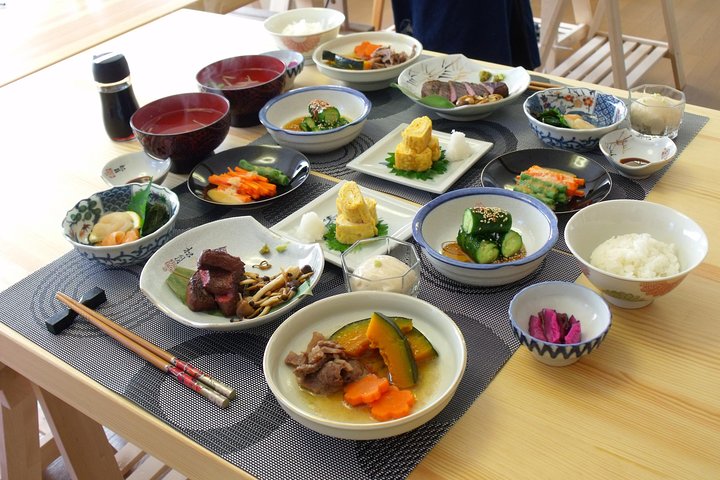
The variety of dishes depends on the class you choose. Common options include sushi, ramen, tempura, and traditional home-cooked meals like ichiju sansai. Some classes also offer unique experiences like making bento boxes or learning kaiseki, a multi-course Japanese dinner.
Do I need to bring anything to the class?
Generally, all necessary ingredients and tools are provided. However, it’s wise to wear comfortable clothing and bring a small bag for any personal items. If a market visit is included, consider bringing a reusable shopping bag for any additional purchases you might want to make.