





Discover the Ultimate Tokyo Sushi Experience
Deciding to indulge in a sushi experience in Tokyo means immersing yourself in one of the most revered culinary arts in the world. Whether you’re a seasoned sushi aficionado or a curious novice, Tokyo offers a range of sushi experiences that cater to all palates and budgets. From bustling conveyor-belt eateries to exclusive omakase counters helmed by master chefs, each option provides a unique glimpse into the intricate world of sushi. As you plan your culinary adventure, it’s important to consider the type of experience you want, your budget, and how much you value exclusivity and craftsmanship.
How to Choose the Right Tokyo Sushi Experience
Choosing the right sushi experience in Tokyo largely depends on your preferences, budget, and the kind of atmosphere you’re seeking. Here’s a breakdown of the main types of sushi experiences available:
Conveyor-Belt Sushi (Kaiten-Zushi)
If you’re looking for a casual, budget-friendly sushi experience, kaiten-zushi is a fantastic choice. Here, sushi plates circulate on a conveyor belt, allowing you to pick whatever catches your eye. This format is perfect for those who want to try a variety of sushi types without committing to a full course meal. It’s also a great option for families or groups due to its laid-back atmosphere. Prices here are the most affordable, making it easy to indulge without breaking the bank.
Mid-Range Sushi Restaurants
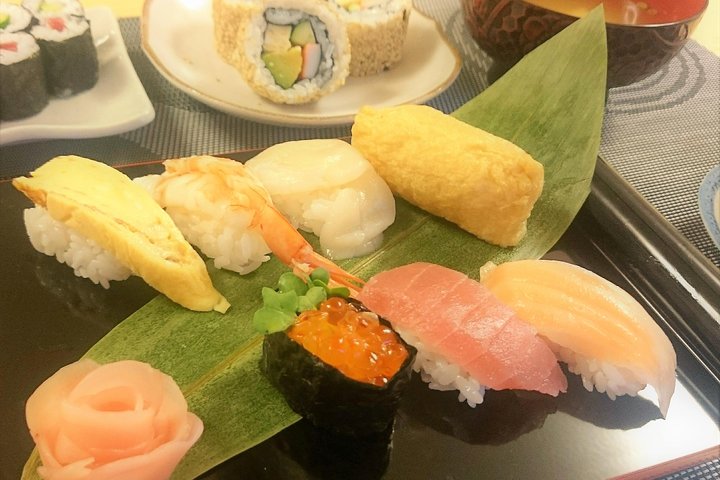
For a more refined experience without the hefty price tag of a high-end omakase, mid-range sushi restaurants offer a balanced mix of quality and affordability. These establishments often provide set menus that highlight seasonal fish and offer a more personalized dining experience than kaiten-zushi. While not as exclusive as top-tier sushi bars, the quality of fish and level of service can be excellent, providing good value for money.
Omakase Sushi Dining
The pinnacle of sushi dining, omakase is for those who seek an intimate, curated experience. In these settings, the chef selects each piece of sushi for you based on the freshest ingredients available that day. This experience often takes place in a quiet, minimalist setting where the focus is on the interaction between you and the chef. While this option is roughly double to triple the cost of mid-range sushi, it’s a memorable experience for any sushi lover. Booking in advance is essential, particularly for Michelin-starred venues in areas like Ginza and Roppongi.
Sushi-Making Classes
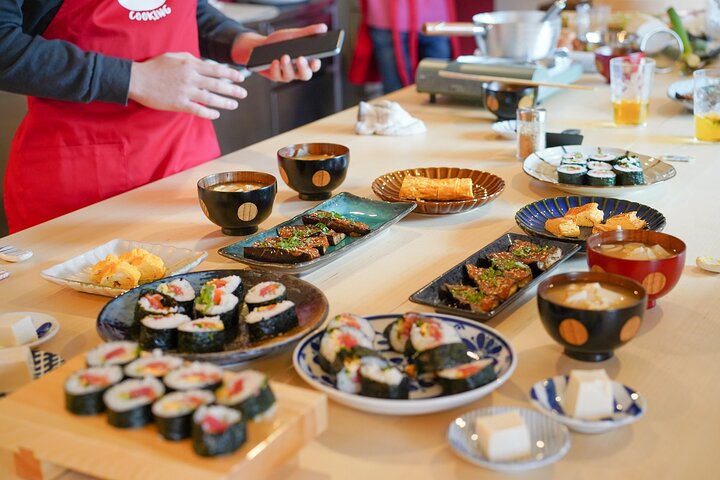
For those interested in the art of sushi-making itself, taking a class can be incredibly rewarding. These hands-on sessions teach you the essentials, such as rice preparation, fish selection, and the techniques for forming nigiri and rolling maki. Classes usually last 2–3 hours and offer a unique way to appreciate the skill and precision involved in sushi creation. This option suits curious learners who prefer experiential activities over dining.
Practical Visitor Tips for Tokyo Sushi Experiences
Visiting Tokyo for sushi is an experience to savor, but a few practical tips can help you make the most of it.
Seasonal Considerations
The availability of certain fish can vary by season, so it’s worth considering this when planning your visit. Spring and autumn are excellent times for sushi, as these seasons tend to feature a wide variety of fresh fish. Winter is prized for fatty fish such as yellowtail and tuna, offering rich flavors ideal for sushi connoisseurs.
Booking and Timing
For omakase experiences, booking in advance is crucial. Many top-tier sushi bars require reservations weeks or even months ahead, especially at renowned spots in Ginza. If you’re planning to visit during peak tourist seasons, such as cherry blossom season in spring or the New Year’s holidays, factor this into your booking timeline.
Accessibility and Dress Code
Most sushi restaurants in Tokyo are accessible by public transportation, but navigating the city can be challenging if you’re unfamiliar with the subway system. Consider downloading a navigation app that works offline to help you find your way. Dress codes vary; while kaiten-zushi is casual, omakase restaurants may expect smart-casual attire. It’s wise to confirm any dress code requirements when making your reservation.
Dining Etiquette
Understanding basic sushi etiquette can enhance your dining experience. For instance, it’s customary to eat sushi with your hands or chopsticks and to consume each piece in one bite. Avoid mixing wasabi into your soy sauce; instead, let the chef apply it as intended. Being mindful of these practices will show respect for the chef’s craft.
Frequently Asked Questions
What is the best time of year to enjoy sushi in Tokyo?
While sushi is delicious year-round, visiting in spring and autumn offers a diverse selection of seasonal fish. Winter is also excellent for enjoying richer, fattier fish varieties.
How far in advance should I book an omakase experience?
It’s advisable to book at least a month in advance for popular omakase restaurants, particularly those with Michelin stars or high reputations. During peak seasons, consider booking two to three months ahead.
Can I find vegetarian sushi options in Tokyo?
Yes, many sushi restaurants offer vegetarian options, although the selection may be more limited. It’s best to inform the restaurant of your dietary preferences when making a reservation to ensure they can accommodate your needs.
Are children welcome at sushi restaurants in Tokyo?
Children are generally welcome at kaiten-zushi and mid-range sushi restaurants due to their more casual atmosphere. However, some omakase venues may be less suitable for young children, so it’s wise to inquire about their policy when booking.
Is tipping customary at sushi restaurants in Tokyo?
No, tipping is not customary in Japan and can even be considered rude. Instead, express your appreciation verbally by thanking the chef and staff for their service.