





Exploring Tsukiji Market: A Food Lover’s Paradise
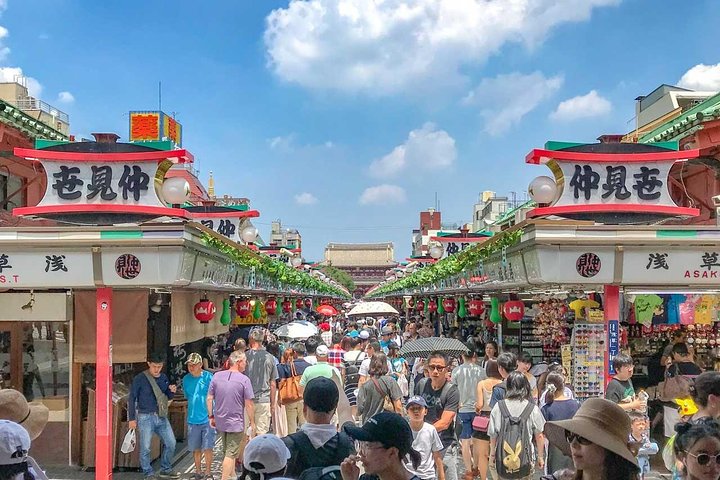
As you consider booking a Tsukiji Market tour, you’re likely weighing the potential for unique culinary experiences against the bustling energy of Tokyo’s famed food market. The Tsukiji Outer Market, a vibrant hub of gastronomic delights, is an essential stop for any food enthusiast visiting Tokyo. While the wholesale fish market relocated to Toyosu in 2018, the Outer Market still thrives with its array of fresh seafood, tantalizing street foods, and specialty kitchenware. A guided tour can enhance your visit by navigating the bustling lanes, highlighting top vendors, and helping you overcome any language barriers.
How to Choose the Right Tsukiji Market Tour
When selecting a Tsukiji Market tour, the variety of options may feel overwhelming. Consider your interests, budget, and time constraints to find the perfect fit. Tours typically fall into a few categories: comprehensive market walks, culinary-focused experiences, and private tours.
Comprehensive Market Walks: These tours are ideal if you wish to explore the full scope of the Tsukiji Outer Market. You’ll stroll through the bustling lanes with a knowledgeable guide who will introduce you to a variety of stalls, from fresh seafood to traditional Japanese snacks. Expect to learn about the history and significance of the market while enjoying multiple tastings along the way.
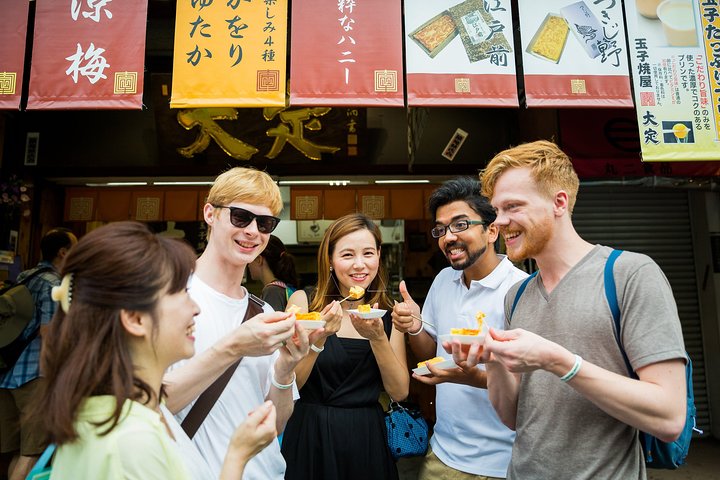
Culinary-Focused Experiences: If you’re a dedicated foodie, opt for a tour that emphasizes culinary exploration. These tours often include cooking demonstrations or workshops where you can learn to prepare Japanese dishes. You’ll also have the opportunity to savor a wider array of food samples, such as sushi, sashimi, and tamagoyaki, making this a perfect choice for those who want an immersive culinary adventure.
Private Tours: For a more personalized experience, consider booking a private tour. These tours offer flexibility in terms of timing and itinerary, allowing you to focus on your specific interests. Whether you’re keen on sampling rare seafood or purchasing high-quality Japanese knives, a private tour can be tailored to suit your preferences.
Remember, the cost of tours can vary significantly. Comprehensive market walks and culinary tours generally come at a modest premium, while private tours can be roughly double the price due to their personalized nature. Weigh these options against your priorities to make the best choice for your visit.
Practical Tips for Visiting Tsukiji Market
A successful visit to Tsukiji Market requires some planning, especially considering the crowded nature of this popular destination. Here are practical tips to enhance your experience:
Timing Your Visit: The best time to visit Tsukiji Market is early in the morning, typically between 9:00 AM and 11:00 AM. Arriving early allows you to beat the crowds and catch the freshest offerings. Keep in mind that many stalls close by early afternoon, so plan to arrive no later than midday to fully enjoy the market.
Seasonal Considerations: While Tsukiji Market is a year-round attraction, seasonal variations can influence your experience. Spring and autumn offer milder weather, making these ideal times for comfortable market exploration. In summer, the market can be quite hot and humid, so dress accordingly and stay hydrated. Winter visits require warm clothing, but they also provide the chance to enjoy seasonal seafood like oysters and crab.
Accessibility and Navigation: The narrow lanes of Tsukiji Market can be challenging to navigate, especially for those with mobility issues. If accessibility is a concern, opt for a tour that offers support for navigating the market. Be prepared for uneven surfaces and some stairs, although most areas are accessible with effort.
Logistics and Etiquette: As you wander through the market, be mindful of local customs and etiquette. Many stalls are cash-only, so having yen on hand is crucial. Photography is generally welcomed, but always ask permission before taking close-up shots of vendors or their products. Lastly, remember that the market is a bustling environment, so stay aware of your surroundings and give way to locals conducting their daily business.
Frequently Asked Questions
Is the Tsukiji fish market still there?
While the wholesale tuna auction and fish market operations moved to Toyosu Market in 2018, the Tsukiji Outer Market remains vibrant and bustling with activity. It continues to be a popular destination for visitors seeking to experience Tokyo’s food culture.
How long should I spend at Tsukiji Market?
A typical visit to Tsukiji Market lasts around 1.5 to 2.5 hours. Joining a guided tour, which usually extends to 2-3 hours, allows you to delve deeper into the market’s offerings and enjoy narrated insights about its history and significance.
What should I wear to Tsukiji Market?
Comfortable clothing and footwear are essential for navigating the bustling market. Since the experience involves walking and standing, opt for closed-toe shoes and weather-appropriate attire. In summer, light and breathable fabrics are recommended, while winter visits call for layers to keep warm.
Are there any language barriers at Tsukiji Market?
While many vendors understand basic English, language barriers can still pose challenges, especially when ordering food. Booking a guided tour can help bridge this gap, as guides are usually fluent in both English and Japanese, ensuring smooth communication and an enriched experience.
Can I purchase kitchen tools and knives at Tsukiji Market?
Yes, Tsukiji Market is renowned for its high-quality kitchen tools and knives. Several shops specialize in these items, offering a range of products that cater to both professional chefs and home cooks. Guides can assist you in finding reputable vendors and help with any language barriers during the purchase process.