

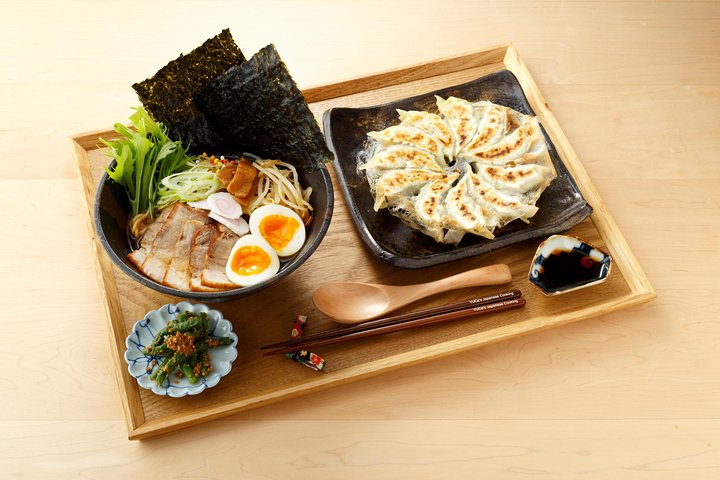


Decoding the Tokyo Ramen Scene
Embarking on a culinary adventure in Tokyo often leads to one inevitable dish: ramen. For anyone pondering which ramen experience to book, the decision is crucial. Tokyo boasts an overwhelming array of ramen shops, each showcasing distinct flavors that reflect both local and regional culinary traditions. You’re not just choosing a meal; you’re selecting an experience that could be the highlight of your trip. The challenge lies in navigating the thousands of ramen-ya scattered throughout the city, each promising a unique take on this beloved noodle dish. Whether you’re a first-timer or a seasoned aficionado, understanding your options will enrich your ramen journey in Tokyo.
How to Choose the Perfect Ramen Experience
When deciding on a ramen experience in Tokyo, consider what you value most in your culinary exploration. Are you seeking variety, authenticity, or perhaps a deep dive into the intricacies of ramen-making?
Guided Ramen Tours
For those keen to sample a wide spectrum of flavors, guided ramen tours offer the most comprehensive experience. Typically, these tours take you to 2–4 different ramen shops, each specializing in a particular style such as tonkotsu, shoyu, miso, or shio. With a knowledgeable guide, you’ll gain insights into the subtle nuances of broth clarity, noodle texture, and the quality of toppings like chashu pork. This option is ideal if you’re short on time but want to cover a broad palate range.
Ramen Street at Tokyo Station
If time and convenience are your priorities, Ramen Street in Tokyo Station is a must-visit. This underground enclave houses a select number of Japan’s top ramen brands, allowing you to experience regional styles without traveling far. It’s perfect for those wanting a quick yet diverse taste of Japan’s ramen culture. Be prepared for queues during peak hours, but the efficiency and variety make the wait worthwhile.
Dine Like a Local
For an authentic local experience, venture beyond the tourist hotspots. Small, neighborhood ramen shops often offer a more intimate setting and can provide a taste of how locals enjoy their ramen. While the language barrier might be a challenge, the experience is rewarding for adventurous eaters willing to stray from the beaten path.
Practical Visitor Tips for Ramen Enthusiasts
Timing Your Visit
Tokyo’s ramen shops are busiest during lunch and dinner, especially around noon and 6 PM. To avoid long waits, consider visiting mid-afternoon or post-dinner hours. Many popular spots stay open late, catering to the night owl crowd.
Seasonal Considerations
While ramen is a year-round favorite, some styles are particularly comforting in certain seasons. In winter, you might opt for a rich, hearty bowl of miso ramen to warm up against the cold. In contrast, lighter shio or shoyu broths are refreshing during Tokyo’s humid summer months.
Accessibility and Logistics
Tokyo’s public transport system makes it easy to reach even the most obscure ramen shops. However, be aware that some smaller establishments may have limited seating and no English menus. Cash is still king in many of these places, so have yen on hand. If you’re venturing to Ramen Street, note that it’s located within Tokyo Station, a major transit hub with extensive signage to guide you.
Frequently Asked Questions
What is the best ramen style for beginners?
If it’s your first foray into the world of ramen, start with shoyu. Its soy-based broth is a staple of Tokyo-style ramen, offering a balanced flavor that’s easy on the palate.
Are there vegetarian options available?
While traditional ramen is meat-based, many shops in Tokyo now offer vegetarian versions. Look for places that use vegetable broths or offer tofu and other plant-based toppings.
How do I avoid long waits at popular ramen shops?
To dodge the crowds, try visiting renowned shops during off-peak hours, such as mid-afternoon. Alternatively, some establishments offer reservation systems or ticketing services online.
Can I customize my ramen order?
Yes, many ramen shops allow you to tweak elements like noodle firmness, broth richness, and seasoning levels. Don’t hesitate to make your preferences known, but be mindful that English may not be spoken widely.
Is it acceptable to slurp my noodles?
Absolutely! Slurping is not only acceptable but encouraged. It’s believed to enhance the flavor and is a sign that you’re enjoying your meal.