






Choosing the Right Tokyo Temple & Shrine Tours
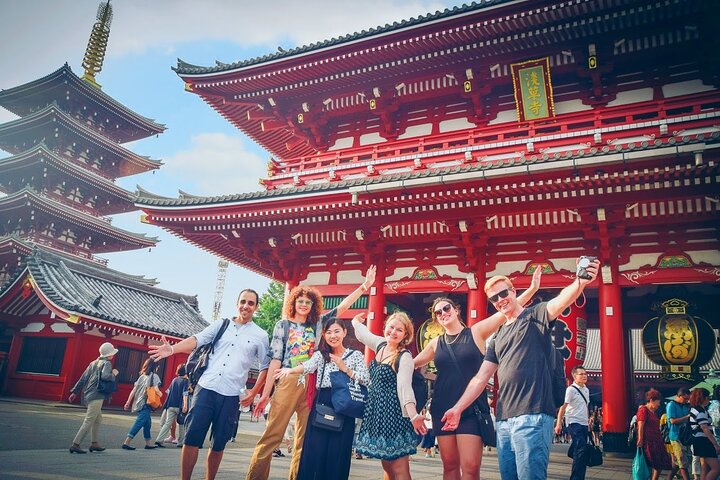
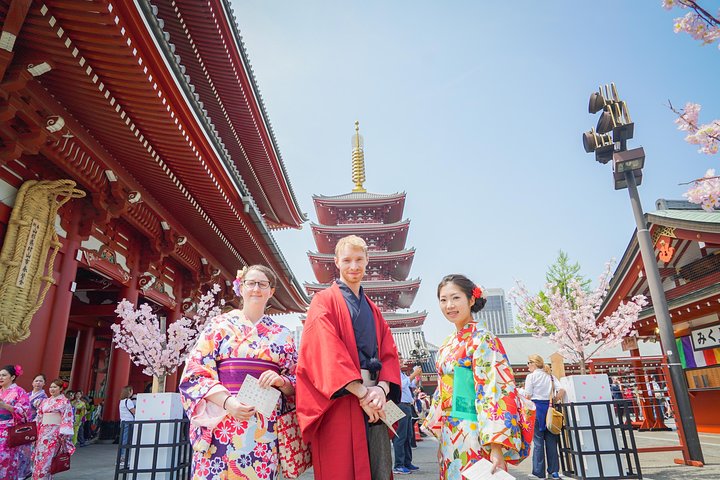
Booking a tour of Tokyo’s temples and shrines opens up a world of cultural richness and spiritual serenity. You’ll find yourself standing before the grandeur of Senso-ji in Asakusa, feeling the tranquility of Meiji Jingu’s forested sanctuary in Harajuku, or wandering through the vermillion torii gates of Nezu Shrine. Each site offers a glimpse into Japan’s spiritual tapestry, blending the practices of Buddhism and Shintoism. Choosing the right tour can elevate your experience, whether you’re a history buff, a cultural enthusiast, or simply seeking a peaceful escape within the bustling metropolis.
How to Choose the Perfect Tour
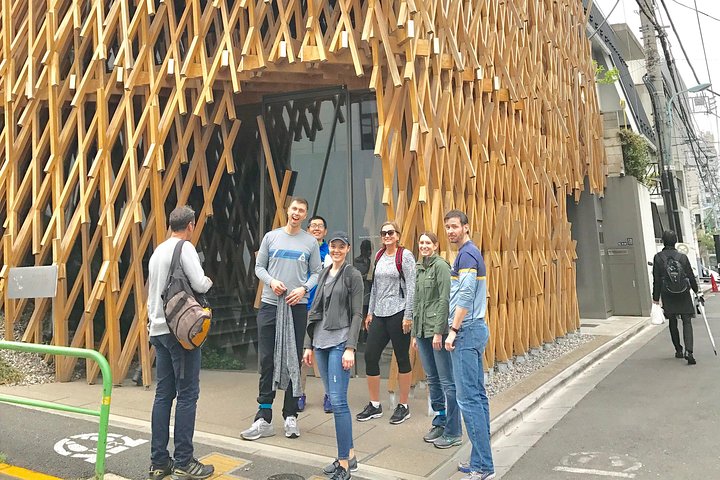
When deciding on a temple and shrine tour in Tokyo, consider what aspect of these cultural sites intrigues you most. If you’re fascinated by history and architecture, a comprehensive walking tour that covers multiple notable spots such as Senso-ji, Meiji Jingu, and Nezu Shrine might be ideal. These tours typically provide insightful commentary on the evolution of temple and shrine architecture, as well as the historical context of each site.
For those interested in the spiritual practices and rituals, opt for a tour that includes experiential elements like learning proper hand-washing techniques at purification fountains, observing incense offerings, or participating in a prayer ritual. Some tours even offer special access during festival seasons, allowing you to witness traditional ceremonies.
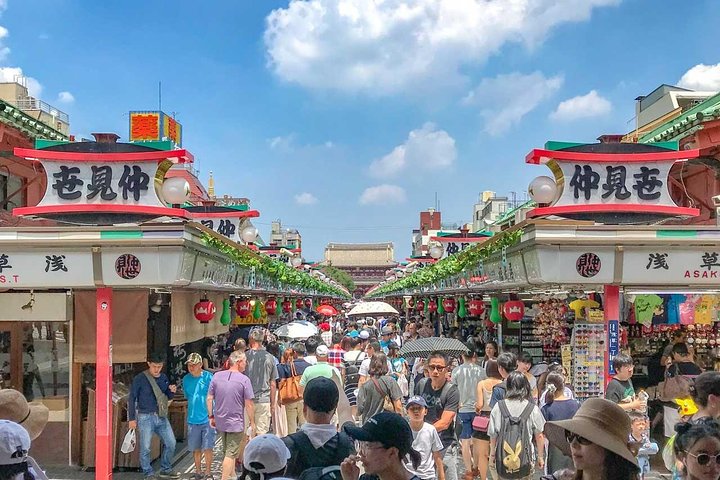
If your schedule is tight, consider a half-day tour focusing on a single area, like Asakusa, where you can delve deeper into the significance of Senso-ji and its surrounding streets. These tours often come at a modest premium over self-guided visits but offer enriched experiences through expert narration and hidden gems you might otherwise miss.
Finally, private tours can be tailored to your interests and pace, offering a more personalized experience. While these are roughly double the cost of group tours, they provide flexibility and direct interaction with your guide, ensuring every question you have is answered.
Practical Tips for Visiting Tokyo’s Temples and Shrines
Timing and Seasons: Visiting during early mornings or late afternoons can help you avoid the crowds, especially at popular sites like Senso-ji. Spring and autumn are particularly beautiful times to visit, with cherry blossoms and autumn leaves adding a stunning backdrop to your exploration.
Accessibility: Many major temples and shrines in Tokyo, such as Meiji Jingu and Senso-ji, are accessible to those with mobility issues. Meiji Jingu offers accessible paths through its forested areas, and Senso-ji has ramps and elevators near its main hall. However, places like Nezu Shrine have steps and may pose challenges for those with limited mobility.
Logistics: Most temples and shrines are easily accessible by public transport. Senso-ji is a short walk from Asakusa Station, while Meiji Jingu is close to Harajuku Station. Be prepared for some walking, especially at sites like Meiji Jingu where the shrine is set in a sprawling forest. Remember, many shrines request visitors to refrain from taking photos in certain areas, particularly near altars and during rituals.
Facilities: Restrooms are available at major sites, but they can sometimes be basic. It’s advisable to carry some tissues and hand sanitizer. Water fountains, like those at Meiji Jingu, are convenient spots to refill your bottle, especially during the hotter months.
Frequently Asked Questions
What is the difference between a temple and a shrine?
Temples in Tokyo are Buddhist, characterized by the presence of a main gate (mon) and Buddha statues. In contrast, shrines are Shinto, marked by a torii gate and often a shimenawa rope. Both coexist and reflect Japan’s dual religious traditions.
What should I wear when visiting temples and shrines in Tokyo?
Visitors should dress respectfully when visiting temples and shrines. This means modest clothing that covers shoulders and knees. Comfortable shoes are recommended, as you’ll be walking and sometimes need to remove them to enter certain areas.
Are guided tours available in languages other than Japanese?
Yes, many guided tours offer options in English, and some larger operators provide tours in other languages, including Chinese and Korean. It’s best to confirm language options when booking your tour.
Can I take photos inside the temples and shrines?
Photography is generally allowed in outdoor areas, but restrictions often apply indoors, especially near altars and during ceremonies. Always look for signage or ask your guide if you’re unsure.
How long should I plan for a temple and shrine tour in Tokyo?
The time commitment varies based on the tour type. A comprehensive multi-site tour can take a full day, while a focused visit to one or two sites might only require a few hours. Plan according to your interest level and schedule.