



Choosing Your Tokyo Sumo Experience
Embarking on a sumo experience in Tokyo can be an unforgettable highlight of your trip, offering an authentic glimpse into Japan’s rich cultural tapestry. With several options available, from live tournaments to intimate stable visits, choosing the right experience depends on your interest level, timing, and budget. Whether you’re a die-hard sports fan or simply curious about this unique tradition, Tokyo has something to offer.
How to Choose the Right Sumo Experience
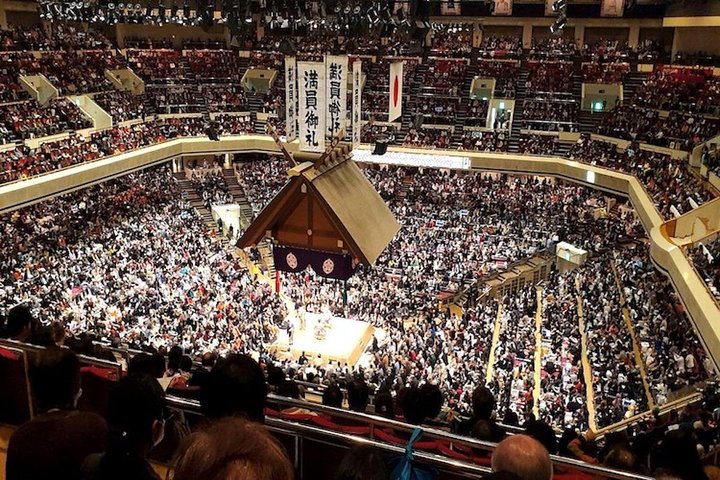
When deciding on the best sumo experience in Tokyo, consider what aspect of the sport intrigues you most. If you want to witness the electrifying atmosphere of a live match, attending a grand sumo tournament at the Ryogoku Kokugikan is a must. These tournaments occur three times a year in January, May, and September, each lasting 15 days. Tickets can be hard to come by, often selling out well in advance, so it’s wise to plan and book weeks ahead.
If your visit doesn’t coincide with tournament dates, or if you’re interested in a more personal encounter, visiting a sumo stable for a morning practice session is an excellent alternative. These sessions, known as keiko, provide a behind-the-scenes look at the rigorous training of sumo wrestlers. Some stables offer the chance to observe chanko-nabe, the hearty stew that fuels the wrestlers, and even allow interaction with the athletes. Keep in mind that stable visits may require prior arrangement and can have varying levels of accessibility for tourists.
For those who prefer a cultural exploration rather than a sporting event, sumo-themed tours in the Ryogoku district offer a fascinating dive into the history of the sport. These tours often include visits to sumo museums, encounters with retired wrestlers, and sumo-themed dining experiences. These options are generally more relaxed and accessible year-round, regardless of the tournament schedule.
Practical Tips for Visiting
Seasonal Considerations: Tokyo’s climate can influence your sumo experience. Tournaments in January may coincide with chilly weather, so dress warmly if attending. May and September offer milder conditions, but expect larger crowds during these popular travel months. Stable visits and cultural tours are less weather-dependent, but always check in advance for any seasonal closures or changes in schedule.
Accessibility and Logistics: Ryogoku Kokugikan, the heart of sumo in Tokyo, is easily accessible via the JR Sobu Line. The arena itself is well-equipped for visitors, including those with mobility issues, offering elevators and designated seating. When visiting a stable, accessibility can vary greatly—some have narrow entrances and limited seating, so inquire beforehand if you have specific needs.
Booking and Timing: For tournament tickets, booking online is the most convenient method, with options ranging from reserved box seats to more affordable arena seating. Stable visits usually require contacting the stable directly or booking through a tour operator, who can also help navigate language barriers. It’s advisable to arrive early to stable practices, as seating is often first-come, first-served.
Etiquette and Conduct: Respect is paramount in sumo culture. When attending a stable, maintain silence during practice and follow any instructions given by the stable staff. Photography may be restricted, so always ask for permission. At tournaments, support your favorite wrestlers enthusiastically but be mindful of those around you.
Frequently Asked Questions
When are Tokyo sumo tournaments held?
Tournaments take place in January, May, and September at the Ryogoku Kokugikan. Each event spans 15 days. It’s crucial to book tickets in advance, as they tend to sell out quickly.
Can I visit a sumo stable during non-tournament months?
Yes, stable visits are an excellent option outside of tournament periods. They offer a unique opportunity to see wrestlers train and provide a more intimate understanding of the sport.
Are there sumo experiences suitable for families?
While live tournaments and stable visits cater more to adults due to their length and setting, sumo-themed tours in Ryogoku can be family-friendly. These tours often include interactive elements and are less intense, making them more suitable for children.
What should I wear to a sumo tournament or stable visit?
Comfort is key. For tournaments, casual wear is acceptable, but avoid overly casual attire like flip-flops or beachwear. For stable visits, dress modestly and be prepared to sit on the floor, so comfortable clothing is recommended.
How can I meet a sumo wrestler?
Meeting a wrestler can be arranged through certain stable visits or sumo-themed tours. Some experiences include a chance to have lunch with retired wrestlers, providing personal insights into the world of sumo.