


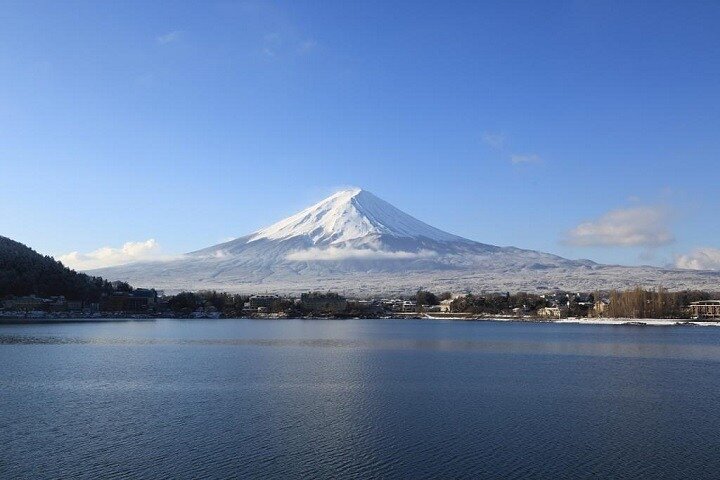


Planning Your Mt. Fuji Day Trip from Tokyo
Deciding to embark on a day trip from Tokyo to the iconic Mount Fuji is an adventure filled with breathtaking views, cultural experiences, and unforgettable memories. Whether you’re captivated by the mountain’s majestic presence or seeking to explore the surrounding natural beauty, a visit to this UNESCO World Heritage Site is a must. The allure of gazing at the symmetrical cone of Japan’s highest peak, combined with the serene setting of the Fuji Five Lakes region, makes for the perfect getaway from Tokyo’s bustling city life. While the journey is straightforward, choosing the right type of tour or experience can greatly enhance your visit.
How to Choose the Right Mt. Fuji Day Trip
When it comes to choosing the perfect Mt. Fuji day trip from Tokyo, the range of options can initially seem overwhelming. However, focusing on what you want to experience can simplify the decision-making process. Here’s how to tailor your trip to suit your interests and needs.
Guided Tours vs. Independent Travel
If you prefer a structured experience with minimal planning, a guided tour might be the best choice. These tours usually include transportation, a knowledgeable guide, and stops at key locations such as the Chureito Pagoda and the Fuji Five Lakes. They offer a hassle-free way to ensure you see the highlights without worrying about logistics. On the other hand, if you enjoy flexibility and exploring at your own pace, traveling independently by train to Kawaguchiko Station allows you to craft your itinerary. Just keep in mind that this option requires more planning and navigation skills.
Nature and Hiking Excursions
For those inclined towards nature, consider tours that focus on hiking the lower slopes of Mount Fuji or exploring the Aokigahara Forest, known as the Sea of Trees. The official climbing season is July to September, but even outside these months, you can enjoy beautiful trails and scenic views at lower altitudes. Remember, hiking to the summit requires an overnight stay and is not feasible as a day trip.
Cultural and Scenic Highlights
If cultural experiences and photography opportunities are your priorities, look for tours that stop at the Chureito Pagoda and offer views of Mt. Fuji framed by cherry blossoms or autumn foliage. These tours often include visits to local museums or traditional villages, providing a deeper understanding of the region’s cultural heritage.
Practical Tips for Visiting Mt. Fuji
To make the most of your Mt. Fuji day trip, consider these practical tips regarding timing, accessibility, and logistics.
Best Time to Visit
The best time to see Mt. Fuji in all its glory is during winter, from November to February, when the air is clearest and the mountain is often snow-capped. Spring offers the spectacle of cherry blossoms, particularly in late March and April, while autumn brings vibrant foliage from October to November. Summer, although the climbing season, can be hazy with frequent cloud cover, reducing visibility.
Accessibility Considerations
Most tours cater to a wide range of mobility levels, but some locations like the Chureito Pagoda involve a steep ascent of about 400 steps. Those with mobility challenges should verify tour details beforehand or choose options that offer panoramic views with minimal walking. The area around the Fuji Five Lakes is generally accessible, but it’s wise to check specific site conditions if accessibility is a concern.
Logistics and What to Bring
Day tours from Tokyo typically last 10 to 12 hours, so plan for a full day away from the city. Dress in layers, as temperatures can vary greatly between Tokyo and the Mt. Fuji area. Bring a camera for those postcard-perfect shots and pack snacks or a light lunch if your tour doesn’t include meals. Although many facilities are available around the main tourist areas, carrying a water bottle is advisable, as you may not always find water fountains.
Frequently Asked Questions
Can I see Mount Fuji from Tokyo?
Yes, on clear days, you can see Mount Fuji from various points in Tokyo, such as the Tokyo Skytree, the Tokyo Tower, and the western suburbs. However, keep in mind that visibility is often obstructed by cloud cover, especially in summer. Winter months offer the best chance for a clear view.
How far is Mount Fuji from Tokyo?
Mount Fuji is roughly 100 kilometers from Tokyo. The journey to Kawaguchiko Station, the gateway to most Mt. Fuji experiences, takes about 2 to 2.5 hours by road or train. Day trips frequently span 10 to 12 hours, allowing ample time to explore.
When is the best time to visit Mount Fuji for photography?
The best times for photography are winter for clear skies and a snow-capped peak, spring for cherry blossoms, and autumn for colorful foliage. These seasons provide the most striking backdrops for capturing Mt. Fuji’s beauty.
Is it possible to climb Mount Fuji as part of a day trip?
Climbing to the summit of Mount Fuji as part of a day trip is not advisable or feasible due to the time required. The ascent takes 5 to 8 hours, with a descent of 3 to 5 hours. If climbing is your goal, plan for an overnight stay during the official climbing season from July to September.
What should I wear for a day trip to Mount Fuji?
Wear comfortable, layered clothing to adapt to changing temperatures. Even in warmer months, it can be chilly near the mountain. Sturdy walking shoes are essential, especially if you plan to hike or explore uneven terrain.