




Navigating Tokyo’s Culinary Wonderland
Choosing to embark on a Tokyo food tour is stepping into a realm where tradition meets innovation in the most delicious ways. Tokyo, renowned for its staggering number of Michelin-starred venues, offers an unparalleled culinary adventure that spans beyond the confines of high-end dining. From the bustling depachika to the intimate izakayas, a guided food tour here is not merely about tasting; it’s about understanding the culinary DNA of the city. With the right tour, you’ll find the ramen shop tucked away in a narrow alley, or the hidden izakaya where the yakitori is grilled to perfection. It’s a culinary journey that stitches together unique flavors with their cultural significance, transforming your eating adventure into an unforgettable story.
How to Choose the Right Tokyo Food Tour
Tokyo food tours come in various formats, each offering a unique window into the city’s vibrant culinary scene. The key to selecting the right one depends on your preferences, dietary restrictions, and the type of culinary experience you are seeking.
Traditional vs. Modern Cuisine
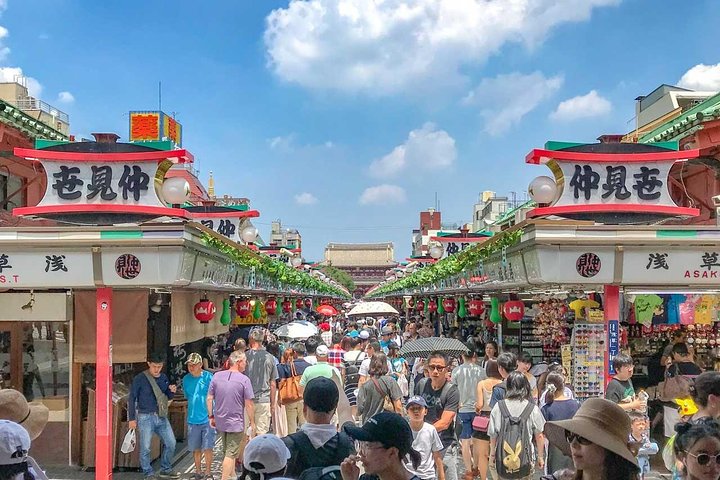
If your interest leans towards traditional Japanese cuisine, consider tours focusing on classic staples like sushi, tempura, and soba. These tours often include visits to historic neighborhoods such as Asakusa, where the essence of old Tokyo lingers. On the other hand, if modern twists excite you, opt for tours that explore fusion foods or Tokyo’s avant-garde culinary movements. Areas like Shibuya and Harajuku are perfect for sampling contemporary takes on traditional dishes.
Small Group vs. Private Tours
Small group tours are ideal if you’re looking to meet fellow food enthusiasts while enjoying a more structured itinerary. These tours usually cater to 8-12 people and can be more budget-friendly. Private tours, while carrying a modest premium, offer a personalized experience tailored to your tastes and pace. They’re perfect for those who wish to delve deeper, perhaps with specific dietary needs or a focus on particular food types such as vegan or gluten-free options.
Daytime vs. Nighttime Tours
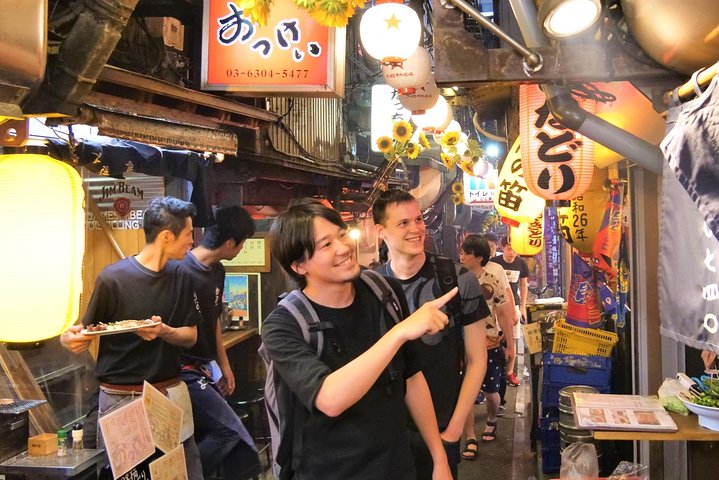
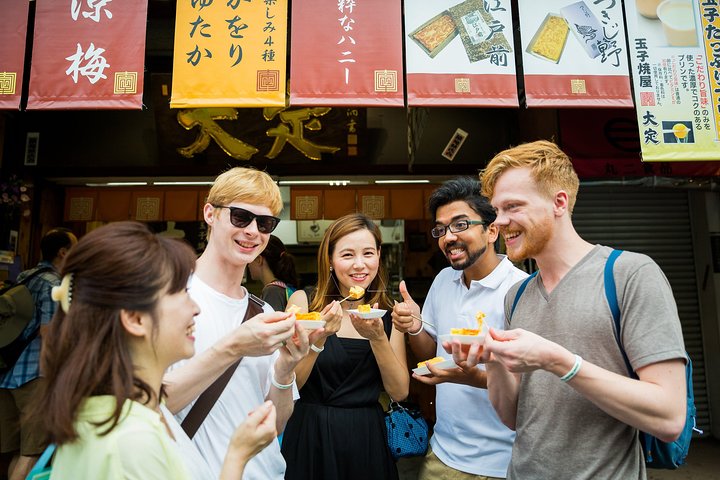
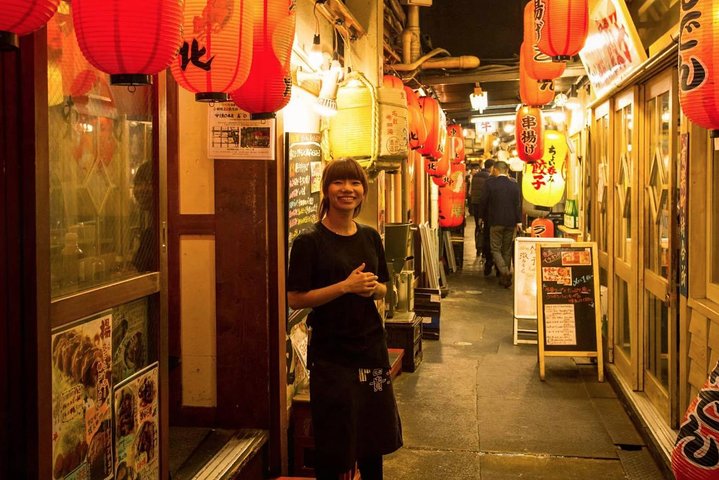
Daytime tours often explore bustling markets and food halls, allowing you to witness Tokyo’s culinary craftsmanship in action. A visit to Tsukiji Outer Market, for example, provides an opportunity to see fresh seafood delicacies and interact with vendors. Nighttime tours, however, capture the city’s vibrant after-dark food culture. These tours might lead you through atmospheric yokocho (alleyways) filled with izakayas and hidden bars where the locals unwind.
Practical Tips for Your Tokyo Food Tour
Timing your Tokyo food tour can significantly impact your experience. While Tokyo is a year-round destination, some seasons enhance particular culinary experiences.
Seasonal Considerations
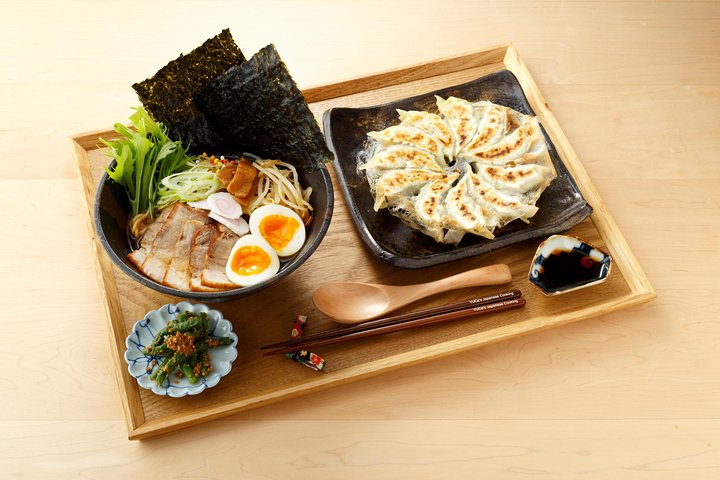
Spring and autumn are ideal for food tours, offering mild weather perfect for strolling through markets and alleyways. In spring, you might find fresh bamboo shoots and sakura-themed sweets, while autumn brings a bounty of mushrooms and chestnuts. Summer, although humid, offers unique experiences like cold soba and seasonal fruits. Winter tours provide a chance to warm up with hearty hot pots and steaming bowls of ramen.
Accessibility and Logistics
Tokyo’s food scene is generally accessible, but some locations may present challenges for those with mobility issues. Many traditional eateries are small with limited seating, and a number of izakayas require navigating narrow stairs. If accessibility is a concern, inquire with your tour provider about accommodations. Public transportation is efficient, and most tours will start and end near major stations. Be prepared to walk and dress comfortably, as many tours involve significant strolling through neighborhoods.
What to Bring
Travel light, as some food stops may have limited space for personal belongings. A small bag or backpack is ideal. Bring a reusable water bottle to stay hydrated, as not all locations will provide drinks. Cash is king in many smaller establishments, so having some yen on hand is advisable. Lastly, an adventurous spirit will help you fully appreciate the diverse flavors Tokyo has to offer!
Frequently Asked Questions
Is it necessary to speak Japanese on a Tokyo food tour?
No, it’s not necessary. Most food tours are conducted in English, and guides are well-versed in explaining dishes and cultural nuances to non-Japanese speakers. However, learning a few basic phrases can enhance your interaction with locals and vendors.
Can I find vegetarian or vegan options on Tokyo food tours?
Yes, while traditional Japanese cuisine heavily features seafood and meats, many tour operators offer vegetarian or vegan-friendly tours. These tours will guide you to places that specialize in plant-based dishes, ensuring you don’t miss out on the culinary adventure.
How do food tours accommodate dietary restrictions?
Most food tours can accommodate dietary restrictions with advance notice. It’s crucial to communicate any allergies or dietary needs when booking. Tour guides will tailor stops to ensure your safety and satisfaction without compromising the quality of the experience.
Are there family-friendly food tours in Tokyo?
Absolutely. Family-friendly tours are available, focusing on universally loved foods such as sushi, noodles, and sweets. These tours often include interactive elements like sushi-making classes, making them enjoyable for children and adults alike.
What happens in case of bad weather?
Tokyo food tours typically proceed rain or shine, with some adjustments to the itinerary if necessary. It’s wise to check the weather forecast and bring an umbrella or raincoat. Indoor stops and covered markets provide shelter on wet days while still allowing you to enjoy the tour.